
BASICNEEDS-GHANA SUPPORTS THE SUCCESSFUL COMPLETION OF THE ANZANSI PILOT PROJECT
Washington University in St Louis, Missouri, USA, in collaboration with BasicNeeds-Ghana, the School of Public Health, University of Ghana, Legon and BIBIR Ghana, implemented a two-year pilot project entitled Anzansi. The study was funded by the Eunice Kennedy Shriver National Institute of Child Health and Human Development (NICHD) of the United States of America with grant number (R21HD099508).
The project examined whether an innovative combination intervention could curtail the unaccompanied rural-to-urban migratory patterns and involvement in child labor among poverty-impacted Ghanaian female youth in the Northern Region.
The project combined two evidence-based approaches. Firstly, a Family Economic Empowerment (EE), which enabled participants to accumulate assets faster, planned for their future through a banking account opened at the ADB Bank for each beneficiary child (girl) and paid for their educational expenses without accumulating debt. With financial and skills-based assets gained through the ANZANSI Family Program, caregivers and female adolescents pursued microenterprises and earned comparable income. The second approach was the Multi Family Group (MFG) sessions which built protective factors for healthy parent-child relationships and addressed familial, social and community stressors and barriers to adolescent girls’ well-being.
As the implementation partner, BasicNeeds-Ghana led in the implementation of project field activities. The field activities carried out were the recruitment of study participants, training of school teachers and educational stakeholders on research protocols, undertook data collection of study participants, facilitated the delivery of weekly Multiple Family Group sessions to study participants, facilitated the opening of banking accounts opened at the ADB Bank for each beneficiary child (girl) and superintended over the matching of families deposits.
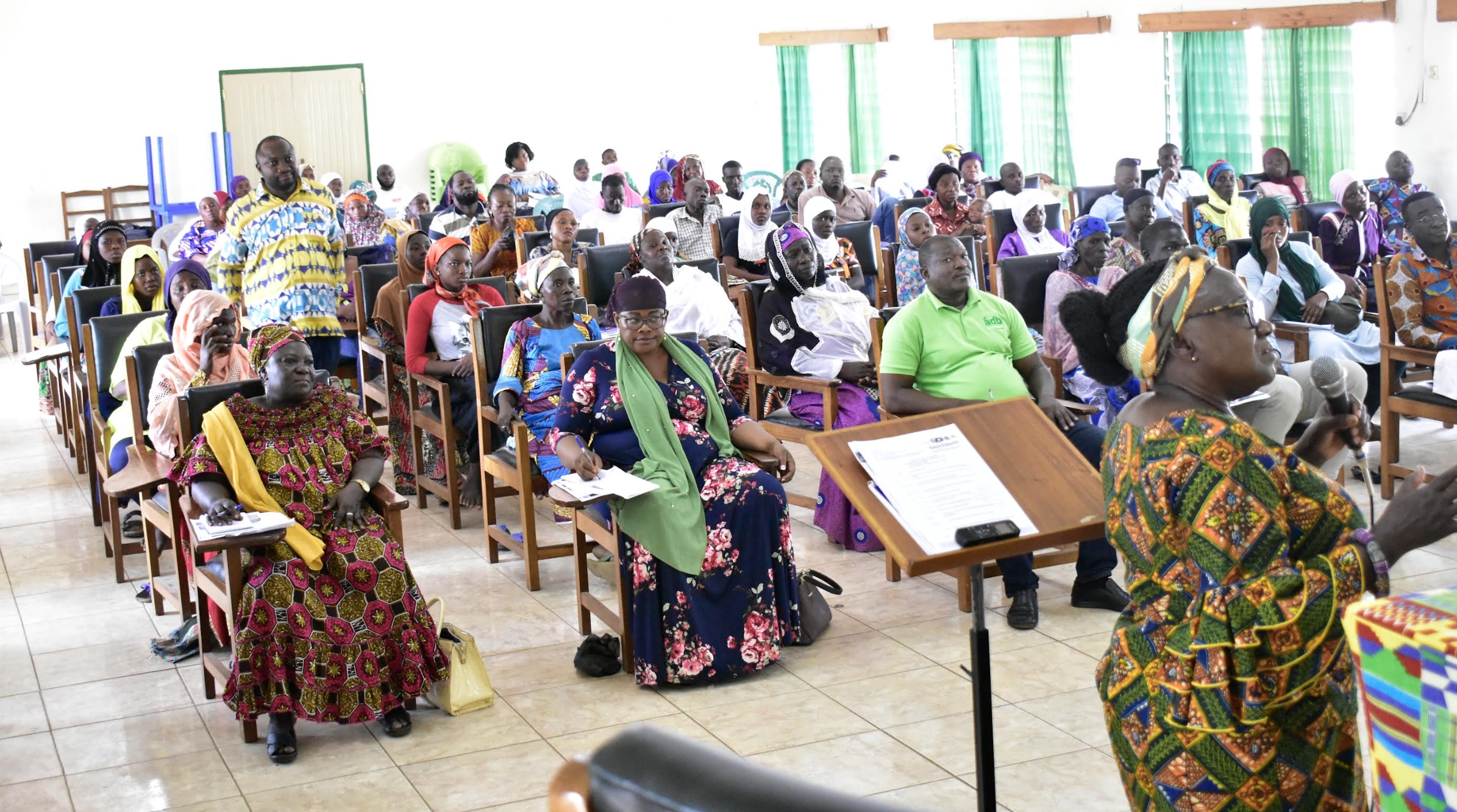
The project was implemented in (10) Junior High schools across the Tamale Metropolis and Sagnarigu Municipality of the Northern Region. The project direct beneficiaries were of 200 (100 girls and their Caregivers). Of the beneficiaries, 47 adolescent girls received matched funds which were lodged into a banking account opened at the ADB Bank for each beneficiary child (girl) to support the education and related development of the girls. They also benefitted from Financial Literacy Training (FLT) and participated in weekly Multiple Family Group sessions whiles 50 adolescent girls received bolstered care.
The project addressed an important challenge affecting the education and development of girls of school-going age, especially, those who have to resort to migration into urban centre to serve as head porters.This is what some of them had to say about the project.
“The ANZANSI study has been successful in building happier families by positively shaping families belief around girl’s education, gender norms and child labour.-” Iddrisu Sumani, a caregiver to an adolescent girl.
“The ANZANSI project built a culture of saving among families and that greatly contributed to safeguarding our future.”- Sylvia Pengmah, a caregiver to an adolescent girl.
Key lessons from the project are that, when families are economically empowered, education of the girl child will be materialised. Also, with the adoption of innovative approaches and evidence-based interventions, the menace of unaccompanied migration for child labour can be curtailed.
The project was unique as it adopted an innovative approach in addressing adolescent migration.